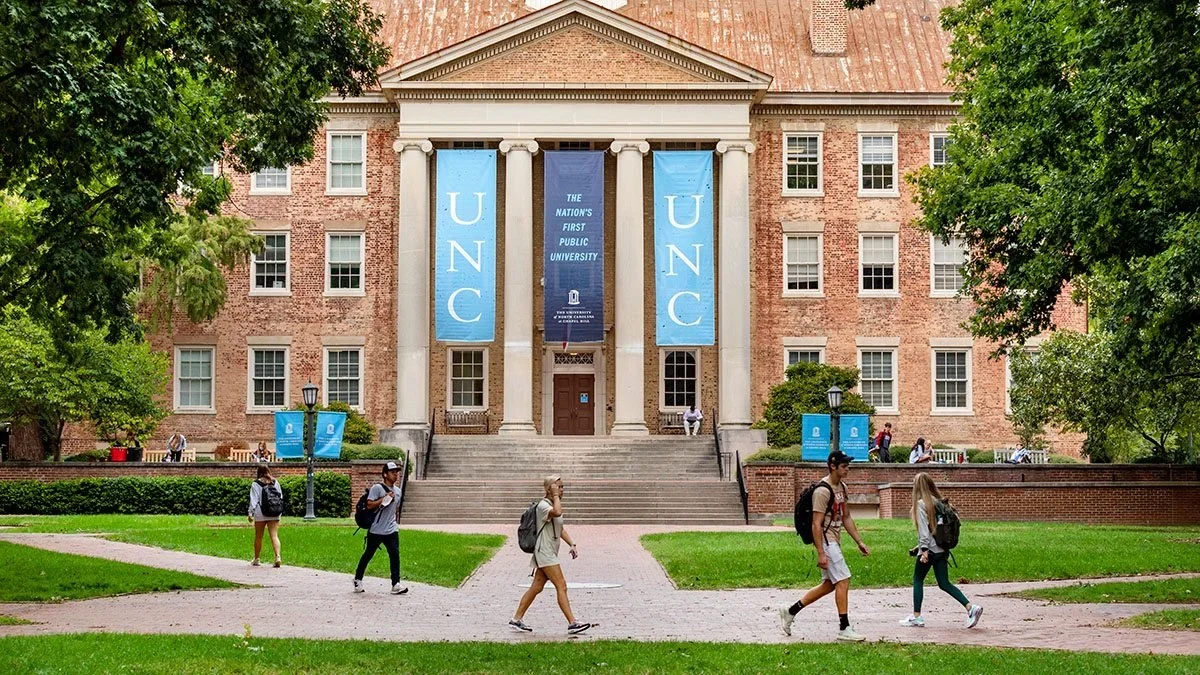
University of North Carolina at Chapel HillU.N.C.
At the University of North Carolina at Chapel Hill, Hailey Allen studies how institutions cultivate public perception, organize human relationships, and shape the moral conditions under which democratic life becomes possible.
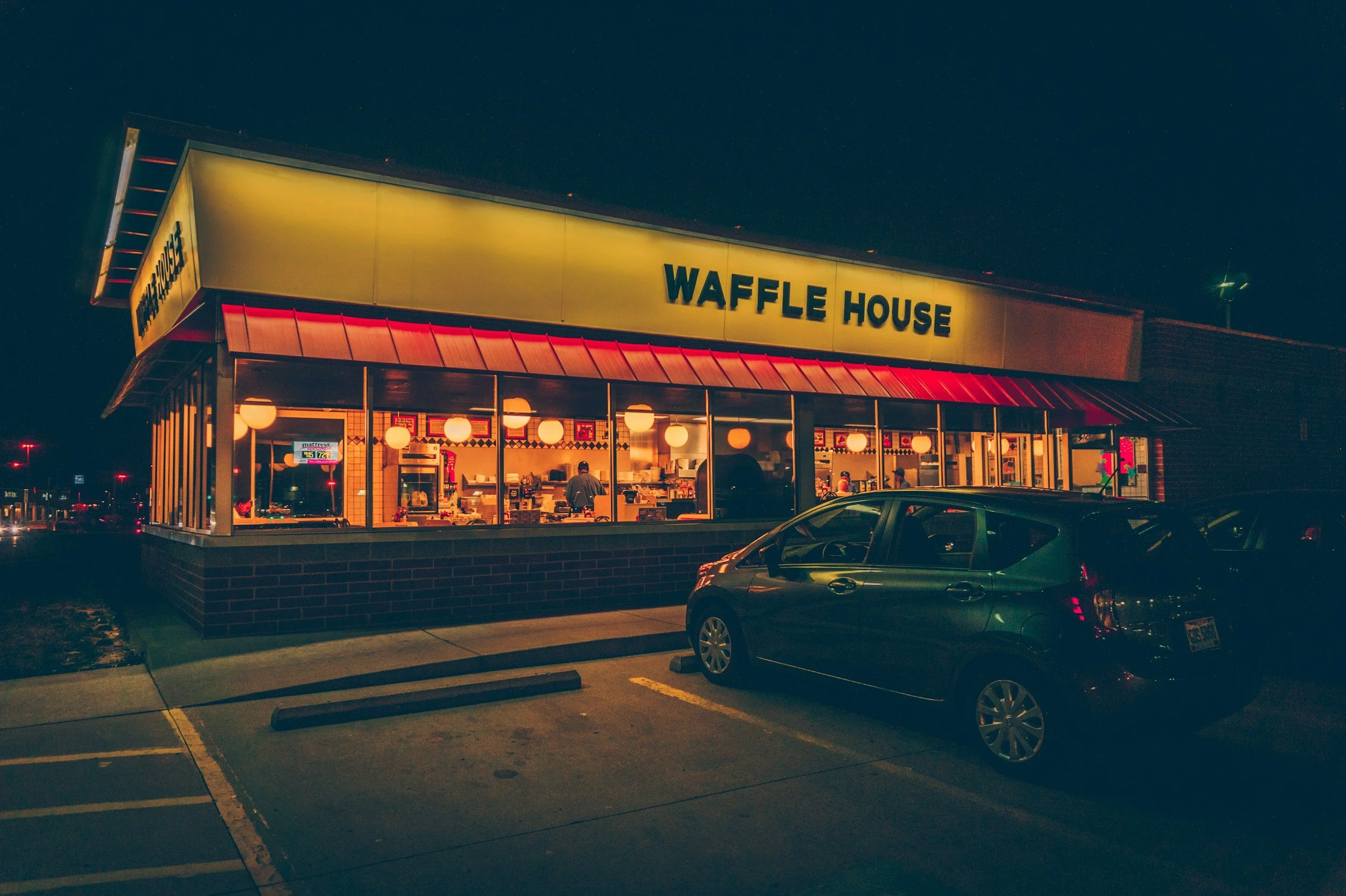
Hailey’s doctoral research, affectionately known as The Waffle House Project, examines how ordinary social environments become sites where broader economic, political, and moral orders are reproduced, contested, and reimagined in the conditions of everyday life.
Research StatementAt the University of North Carolina at Chapel Hill, Hailey Allen examines how institutions shape perception, organize labor, and cultivate the habits through which people understand their responsibilities to one another. Her research brings together oral history, cultural education, and political theory to investigate the relationship between work, public life, and democratic possibility.
Her dissertation examines the moral and institutional logic of Southern hospitality through oral histories with restaurant workers across the American South. Rather than treating hospitality as an individual disposition, it argues that hospitality functions as a social choreography—one that organizes labor, distributes recognition, and sustains economic relationships by shaping what forms of work become visible, valued, or taken for granted.
Drawing on oral history, media analysis, historical texts, and material culture, her work explores how labor acquires meaning within institutions and public narratives. She is particularly interested in the ways perception itself becomes a site of political struggle: how systems of recognition shape belonging, responsibility, and the possibilities for collective action.
Across her research, Hailey seeks to bridge scholarship and public life by translating complex theoretical questions into forms of participation that inform democratic conversation, institutional design, and coalition building.